When working as intended, Bluetooth feels almost magical. It facilitates the wireless transfer of data from one device to another, enabling cordless and hands-free music playback, file transfers, phone calls, voice dictations, and connection with an array of accessories.
However, as with every modern wireless connectivity protocol, Bluetooth can sometimes act up for no apparent reason. If you’ve ever experienced input lag, dropped connections, or strange audio distortions, you’ll know exactly what I’m talking about.
At a basic level, there are several measures that you can take to troubleshoot Bluetooth-related issues. These include restarting both host and peripheral devices, unpairing and then repairing devices, keeping a distance from 2.4GHz devices that might cause radio frequency interference (such as microwaves), and making sure to keep firmware up to date to maximize compatibility.
If you happen to be using an Android phone or tablet, there are some additional steps you can take to improve Bluetooth performance from within your device’s operating system settings. If the aforementioned first lines of defense haven’t solved your connectivity troubles, consider trying out one or all of the following lesser-known troubleshooting tricks instead.
The exact steps required for each entry will vary slightly based on Android version, as well as whether the hardware maker of your device has implemented their own proprietary software skin or not.
Clear Bluetooth cache files
The simple act of clearing cache can work wonders

Cache refers to temporary system files that are collected for the purposes of speeding up navigation throughout an operating system. Cache data is important for accessing common data in an efficient manner, but over time it can bog down a device if it’s left unchecked. Thankfully, Android allows you to manually clear your Bluetooth cache files, which may help resolve some connectivity issues.
To clear your Bluetooth cache, follow these steps:
- Launch the Settings app.
- Navigate to Apps > See all apps.
- Next, tap or click on the ellipsis (three-dot) menu button in the top right-hand corner of the screen, and then select the Show system entry from the list.
- Scroll down the alphabetized list until you find Bluetooth, and then tap or click on the entry.
- From here, navigate to Storage & cache and then tap or click on the Clear cache button.
Clearing Bluetooth cache files won’t delete any of your important data, but it will remove saved Bluetooth devices from your phone or tablet. Once you’ve hit the Clear cache button, you’ll need to manually pair all your peripherals from scratch.
Allow unrestricted Bluetooth battery usage
Stop the system from fiddling with battery optimizations


By default, Android attempts to balance the need for apps and services to run in the background and the need to restrict them to save on battery life. In the case of Bluetooth, the Allow background usage toggle is turned on out of the box, but it’s configured to run as an Optimized service as opposed to an Unrestricted one. Switching over to Unrestricted mode might help to smooth over certain connectivity issues.
To allow unrestricted Bluetooth access on Android, follow these steps:
- Launch Settings.
- Navigate to Apps > See all apps.
- Next, tap or click on the ellipsis (three-dot) menu button in the top right-hand corner of the screen, and then select the Show system entry from the list.
- Scroll down the alphabetized list until you find Bluetooth, and then tap or click on the entry.
- From here, navigate to App battery usage > Manage battery usage > Allow background usage.
- Lastly, select Unrestricted from the available list of options.
Allowing battery usage in the background may improve Bluetooth performance, but be aware that it also comes at the expense of more power consumption.
Reset network settings
Sometimes a full reset is the best course of action

If all else fails, you can always reset Bluetooth network settings, which forces a fresh, blank slate. If a device is experiencing significant connectivity issues, it’s worth resorting to this method if clearing the cache and allowing unrestricted background access haven’t done the trick.
To reset Bluetooth network settings on Android, follow these steps:
- Launch Settings.
- Navigate to System > Reset options > Reset Bluetooth & Wi-Fi.
- A prompt will appear on the screen. From here, simply tap or click on the Reset button.
Resetting Bluetooth & Wi-Fi will erase all saved networks and paired devices from memory, requiring you to set them up again from the beginning. At the time of writing, there’s no way to reset Bluetooth without simultaneously resetting Wi-Fi in the process.
Trending Products
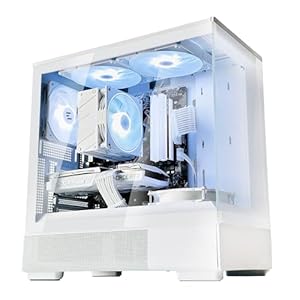
Zalman P10 Micro ATX Case, MATX PC Case with 120mm ARGB Fan Pre-Put in, Panoramic View Tempered Glass Entrance & Aspect Panel, USB Sort C and USB 3.0, White


Wireless Keyboard and Mouse, Ergonomic Keyboard Mouse – RGB Backlit, Rechargeable, Quiet, with Phone Holder, Wrist Rest, Lighted Mac Keyboard and Mouse Combo, for Mac, Windows, Laptop, PC

Nimo 15.6 FHD Pupil Laptop computer, 16GB RAM, 1TB SSD, Intel Pentium Quad-Core N100 (Beat to i3-1115G4, As much as 3.4GHz), Backlit Keyboard, Fingerprint, 2 Years Guarantee, 90 Days Return, WiFi 6, Win 11

Dell S2722DGM Curved Gaming Monitor – 27-inch QHD (2560 x 1440) 1500R Curved Display, 165Hz Refresh Rate (DisplayPort), HDMI/DisplayPort Connectivity, Height/Tilt Adjustability – Black
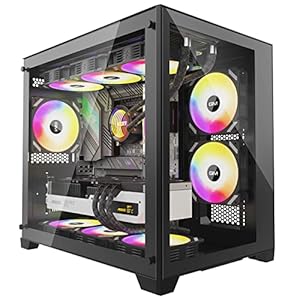
GIM Micro ATX PC Case with 2 Tempered Glass Panels Mini Tower Gaming PC Case Micro ATX Case with 2 Magnet Mud Filters, Gaming Pc Case with USB3.0 I/O Port, Black with out Followers