For the most part, Google’s Pixel-branded phones and tablets ship with a clean, unadulterated flavor of the Android operating system. While far from a ‘stock’ Android Open Source Project (AOSP) experience, Google does show restraint when it comes to in-box apps, interface design, and service pile-on.
Putting aside carrier bloat, the Pixel’s app drawer is remarkably lean in its factory state, arguably even more so than even the iPhone (and certainly more so than just about every other mainstream Android out there).
Even still, there are a few preinstalled Pixel applications that I tend to delete or disable right after setup, as they simply don’t speak to me personally. Here are three apps in particular that didn’t survive past the first day upon unboxing my Pixel 10 late last year.
Pixel Studio
AI-generated art is passé
Much like how Apple incorporated Image Playground into the iPhone as a sandbox for AI-generated image production, the Google Pixel experience comes standard with Pixel Studio by default. I previously wrote about how little real-world utility there is in Apple’s version of the concept, and, as far as I’m concerned, Google’s variant does little to sway me in the other direction. I do like that these apps use on-device processing to work without an active internet connection, but I simply don’t find the image results convincing enough to warrant having them take up space on my devices.
Journal
Third-party developers offer better alternatives

Google’s Journal app is a relatively recent addition to the default Pixel app stack, and it’s…fine. It does the essentials competently enough, with a clean user interface and an app lock function, but the fact of the matter is that better journaling apps exist on the Google Play Store. Some of my favorite alternatives offer far more functionality out of the box, along with more robust cross-platform interoperability. Some of my current favorite options include:
Google Maps
Google’s other maps app does navigation better


- OS
-
iOS, Android
- Brand
-
Google
- Price
-
Free
Google Maps is the most commonly used navigational app for traveling. The popular tool helps drivers, commuters, walkers, and cyclists get to where they are going.
Over the years, Google Maps’ mobile interface has become a cluttered mess. In my opinion, it’s simply trying to do too much all at once, which ends up getting in the way of what’s truly important: getting from point A to point B in a timely manner. Personally, I still stick with (the Google-owned) Waze app for navigational purposes, primarily because of its superior real-time updates, as well as it’s charming, personality-driven user interface design. The moment I learned I could use Sonic the Hedgehog as my driving sidekick on Waze, I threw Google Maps out the window of my car.
Trending Products
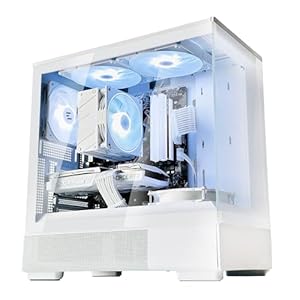
Zalman P10 Micro ATX Case, MATX PC Case with 120mm ARGB Fan Pre-Put in, Panoramic View Tempered Glass Entrance & Aspect Panel, USB Sort C and USB 3.0, White


Wireless Keyboard and Mouse, Ergonomic Keyboard Mouse – RGB Backlit, Rechargeable, Quiet, with Phone Holder, Wrist Rest, Lighted Mac Keyboard and Mouse Combo, for Mac, Windows, Laptop, PC

Nimo 15.6 FHD Pupil Laptop computer, 16GB RAM, 1TB SSD, Intel Pentium Quad-Core N100 (Beat to i3-1115G4, As much as 3.4GHz), Backlit Keyboard, Fingerprint, 2 Years Guarantee, 90 Days Return, WiFi 6, Win 11
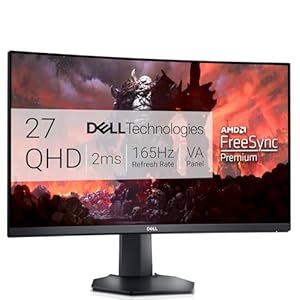
Dell S2722DGM Curved Gaming Monitor – 27-inch QHD (2560 x 1440) 1500R Curved Display, 165Hz Refresh Rate (DisplayPort), HDMI/DisplayPort Connectivity, Height/Tilt Adjustability – Black
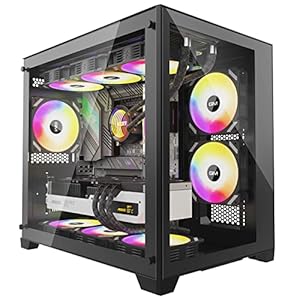
GIM Micro ATX PC Case with 2 Tempered Glass Panels Mini Tower Gaming PC Case Micro ATX Case with 2 Magnet Mud Filters, Gaming Pc Case with USB3.0 I/O Port, Black with out Followers